What Does Michigan’s CPL Training Consist Of?
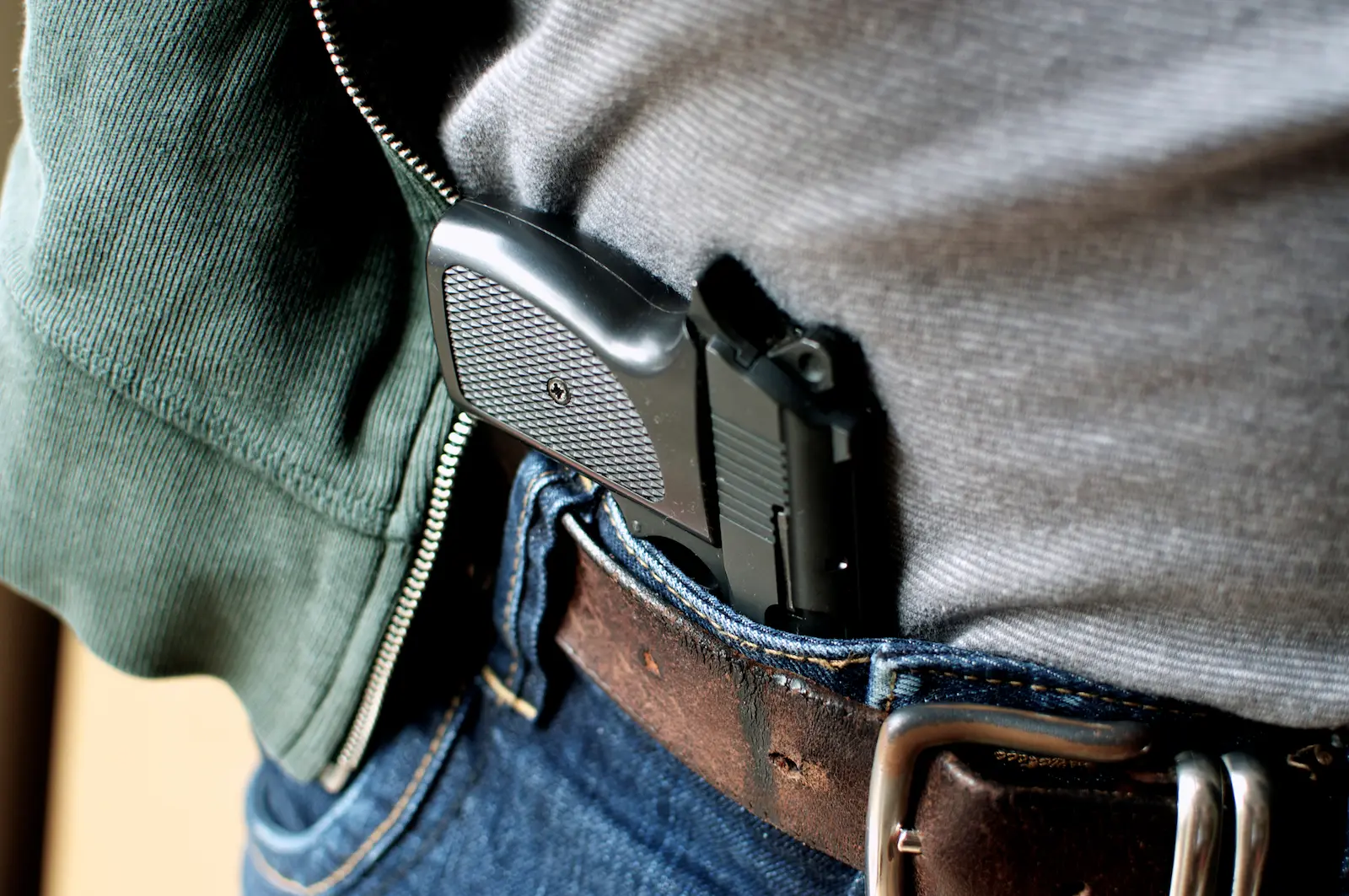
A concealed pistol license (CPL), also known as a concealed carry permit in Michigan, allows you to lawfully carry a concealed handgun on your person.
Are you wondering how to get a CPL in Michigan? If so, you must complete a Michigan CPL class. The length of the class and general subject matter are mandated by state law. Michigan CPL training must include both a classroom and range component.
If you’ve been searching, “How to find a Michigan CPL course near me,” Uncoiled Firearms provides this training in the Livonia area.
Here’s a complete breakdown of Michigan CPL training requirements, as outlined in MCL 28.425, and answers to common Michigan CPL questions.
Michigan CPL Training
Michigan is a “shall issue” state, which means that if you meet the eligibility requirements and complete your state-mandated training, you’ll receive your license.
The Michigan State Police outlines and enforces training requirements through an extensive vetting process. To qualify for your CPL, you must complete a minimum 8-hour training course taught by a certified instructor.
That course is divided into:
- Five hours of classroom instruction.
- Three hours of live-fire range time.
The law also requires that your training be completed within five years of submitting your CPL application. The instructor must be certified by the Michigan Commission on Law Enforcement Standards (MCOLES) or hold equivalent credentials.
Uncoiled Firearms and Gun Range in Livonia offers both one-day and two-night CPL classes. Our firearm training classes are led by experienced instructors who meet MCOLES certification requirements.
CPL Training Eligibility Requirements
The Michigan state website outlines Michigan CPL requirements, including:
- Being at least 21 years old.
- Being a U.S. citizen or meeting legal residence requirements.
- Being a Michigan resident for at least six months (exceptions apply).
You also must not have any disqualifying criminal convictions or restraining orders. Mental health commitments can also disqualify you from obtaining a CPL or owning a firearm.
Make sure to review Michigan CPL requirements and eligibility before signing up for a class. Once you submit your application, the county clerk will conduct a background check to confirm your eligibility.
5-Hour Classroom Instruction Component
The classroom portion of your Michigan concealed carry class builds the foundation for safe, responsible concealed carry. Over five hours, a certified instructor will cover several topics.
Safe Storage, Use, and Handling
Safety is always the top priority when it comes to firearms training sessions. Your instructor will teach you:
- How to safely store firearms at home, in your vehicle, or while traveling.
- Proper muzzle discipline and trigger control.
- How to childproof firearms and secure them with locks, safes, or other devices.
- Best practices for transporting firearms legally under Michigan law.
Pay particularly close attention during the safety portion of the class. You’ll also receive a detailed safety brief when you transition from the classroom to the shooting range.
During that changeover, the instructor will remind you of shooting safety basics, like pointing your firearm in a safe direction and keeping your finger off the trigger until you are ready to fire.
Ammunition Knowledge and Fundamentals
Next, you’ll explore how ammunition works and the different calibers and types available. The most common types of ammunition are full metal jacket and jacketed hollow point. The instructors will teach you how to load and unload pistol magazines, which is part of the live fire portion.
When reviewing ammunition types, instructors will discuss the importance of matching the correct ammunition to your firearm. They will also review safety tips for storing and transporting ammo.
Firearms Law and Legal Aspects
One of the most critical sections of the CPL training involves your rights and responsibilities under Michigan law.
Instructors review concepts such as:
- Must-inform law, which obligates you to tell law enforcement immediately during a traffic stop if you’re carrying a pistol.
- Self-defense principles, such as duty to retreat.
- Definitions of terms like “imminent danger,” “deadly force,” and “reasonable belief.”
- Restricted locations where you are not allowed to carry.
You’ll also learn about situations in which you may be sued after a defensive shooting, as well as what other states will recognize your Michigan CPL.
Conflict Avoidance and De-Escalation
The best self-defense situation is one you never have to fight. With that in mind, you’ll learn:
- Situational awareness.
- Ways to avoid or de-escalate dangerous encounters.
- How to use verbal and non-verbal communication to defuse tension.
- What to do if a violent confrontation becomes unavoidable.
Don’t ever intentionally put yourself in a volatile situation. Try to remove yourself from it, if at all possible.
Ethical Considerations
The instructors will address:
- The ethical implications of carrying and using deadly force.
- The emotional aftermath.
- How to make responsible decisions under stress.
Uncoiled Firearms’ certified instructors will teach the class in an interactive way, including discussions, scenarios, and a Q&A.
3-Hour Live-Fire Range Component
After you wrap up the classroom session, you’ll head to the range for live-fire exercises. Your certified instructor will also review the basics of marksmanship, drawing your firearm, acquiring your target, and trigger control. They will also teach you how to clear common malfunctions, such as failure to feed and stovepipes.
You must demonstrate basic proficiency. Some classes also require you to pass a shooting qualification, which involves hitting a target a specified number of times from four to seven yards. While the qualification component is not mandated by state law, you are required to fire at least 30 rounds of ammunition.
If you don’t have your own pistol, you may be able to rent a firearm and purchase ammunition at the training facility. For example, Uncoiled Firearms includes firearm rental in our standard class fee, along with the required eye and ear protection.
If you’ve never handled a firearm before, don’t stress about it. The live fire portion of range training is conducted under strict safety protocols with certified range safety officers.
What Happens After Your CPL Training Is Completed
Once you’ve completed the 8-hour Michigan CPL course, the next steps include:
- Receiving the signed certificate that is valid for five years from the training date.
- Bringing your certificate, Michigan driver’s license, and completed CPL application to your county clerk’s office.
- Paying the application fee, which is typically around $100, which includes fingerprinting.
- Waiting four to six weeks while the Michigan State Police and FBI review your fingerprints, during which time your payment receipt will serve as your CPL.
You’ll also need to renew your CPL every five years. It’s a good idea to take a refresher course so you can brush up on firearms safety and legal changes.
FAQ
How Long Does the CPL Class Take?
The concealed pistol license class must be eight hours long. It is divided into a five-hour classroom portion and a three-hour range portion.
Can I Take CPL Training Online?
No, there is no online option. You have to take the concealed pistol license course in person to complete the classroom and range components.
How Much Does a CPL Class Cost?
A CPL class cost in Michigan varies. Uncoiled Firearms offers the CPL course for $75. The fee includes your firearm rental, lunch, eye and ear protection, and your certificate.
Do I Need My Own Firearm in CPL Training?
You can bring your own pistol, if you have one. However, rental firearms and ammunition are available at Uncoiled Firearms for an additional fee. Beginners often rent a firearm so they can learn with a reliable model recommended by the instructor.
What if I’m a Complete Beginner?
The CPL training class is designed for shooters of all experience levels, including those who have never owned a handgun before. During the classroom portion, you will learn about the basics of firearm safety and handling. Once you hit the range, an experienced instructor will be with you every step of the way.
Is the CPL Test Hard?
No, the CPL test is relatively straightforward. However, you should be attentive during the classroom portion of the training course to ensure you retain all relevant information needed for the exam. Choosing a quality training site will also help you pass the exam.
How Long Is the CPL Valid For?
The standard timeline for CPL renewal in Michigan is five years. Make sure you start your renewal process several months before your permit expires. If it lapses, you cannot lawfully carry your concealed firearm until you receive your updated CPL.
What Are the Legal Complications of Carrying a Concealed Weapon in Michigan?
Getting a concealed pistol license in Michigan is a huge responsibility. It’s important to understand the weight of your decision to carry a concealed firearm.
For starters, Michigan has a “must-inform” law, meaning that CPL holders must immediately disclose that they are carrying a concealed firearm if they are pulled over by law enforcement. Failure to do so can result in fines, or your CPL could even be suspended.
Perhaps the greatest responsibility associated with carrying a concealed firearm is knowing when you can lawfully use it.
The concept of “reasonable belief” applies to self-defense scenarios, meaning you can only legally use deadly force if you honestly and reasonably believe you face imminent danger of death, great bodily harm, or sexual assault.
Using a firearm is considered deadly force. As such, CPL holders must exhaust every reasonable alternative before resorting to it.
Additionally, it’s important to realize that a shooting can be legally justified and still result in civil liability. After any self-defense incident, consult an attorney experienced in Michigan firearms law before making statements.
Your CPL course will cover all of these topics in depth to ensure you understand both your rights and your responsibilities.
Why Choose Uncoiled Firearms for Your Michigan CPL Training?
Uncoiled Firearms strives to offer the best CPL class in Michigan. Our range is located in Livonia and offers several class options. Our one-day weekend class is available on Saturdays and Sundays. You only have to attend one of the sessions.
Alternatively, you can book a two-night evening class that runs from 5:00 p.m. to 9:00 p.m. on two consecutive evenings. Classes are available every weekend and multiple times per month for flexibility.
What sets our class apart is that it is all-inclusive.
The fee of $75 covers:
- Classroom instruction
- Range time
- Eye and ear protection
- Lunch
- Firearm rental
- Completion certificate
As a full-service facility, we have a gun shop and range membership. The shop also offers NFA items, such as suppressors. Our certified instructors are knowledgeable about Michigan law and safety. The result is an immersive learning experience that helps you take your next steps toward lawful firearm ownership.
Get Your Michigan CPL
In summary, here’s how to get your Michigan CPL:
- Choose and attend an 8-hour certified CPL class.
- Receive your certificate of completion.
- Visit your county clerk’s office with the required documents and fees.
- Undergo a background check.
- Receive your CPL in the mail (typically after four to six weeks).
Remember, it’s up to you to check eligibility requirements before booking a class. Once you are licensed, you are legally allowed to carry concealed throughout Michigan and in many reciprocal states. However, that’s not the end of your journey. It’s up to you to educate yourself and practice safe handling.
Don’t waste your time Googling phrases like “CPL classes near me.” Uncoiled Firearms offers CPL classes in Livonia.
Contact us to schedule your CPL class at Uncoiled Firearms and Gun Range today.
Additional CPL Resources
Here are some additional resources and tips to help you obtain, keep, and use your CPL lawfully:
- Which States Recognize a Michigan CPL?
- Uncoiled offers CPL refresher and advanced shooting courses.
- Visit the Michigan State Police website for official CPL details.
- Practice regularly at our range.
It’s also wise to consult an attorney who’s familiar with Michigan firearms law if you have any specific legal questions.