
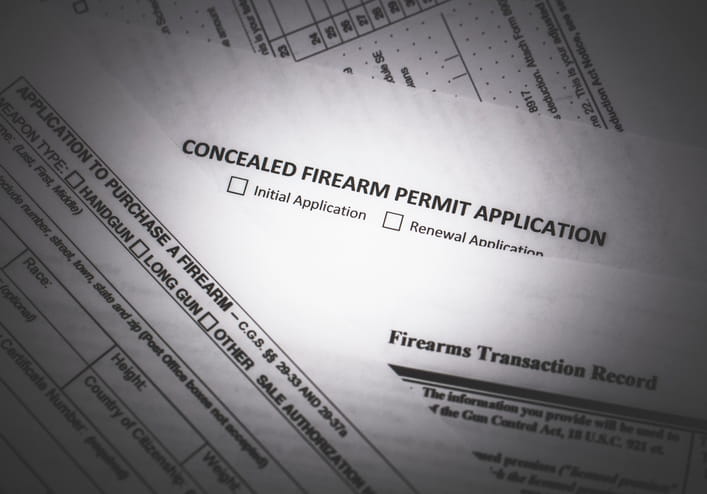
Top Reasons CPL Applications Get Denied in Michigan: What To Know
A Michigan concealed pistol license (CPL) allows you to lawfully carry a concealed handgun. While the application process is straightforward, Michigan has strict eligibility requirements. You’ll also be subject to a stringent background check, during which the Michigan State Police will look for anything that may prohibit you from obtaining a CPL.
Discover what it takes to get a concealed pistol license in Michigan, as well as common Michigan CPL denial reasons. Most importantly, you’ll learn what the eligibility rules are and what your options are if your application gets denied. This information will help you start your journey toward exercising your Second Amendment rights.
Eligibility Requirements for a Michigan CPL
State gun laws clearly outline CPL requirements in Michigan. Those who wish to carry a concealed handgun must meet every CPL training requirement in Michigan, as well as comply with a list of disqualifying crimes and conditions.
Here’s what you need to know.
Basic Eligibility Criteria
According to the Michigan State Police, basic requirements for CPL eligibility in Michigan are as follows:
- Be 21 years of age or older.
- Be a U.S. citizen or lawfully admitted alien.
- Be a legal resident of Michigan.
- Reside in Michigan for at least six months prior to applying.
- Have training and knowledge in safe firearm use and handling.
- Not be subject to a disqualifying order.
- Have no felony convictions.
An applicant meets CPL requirements in Michigan for residency if they:
- Possess a valid Michigan driver’s license or ID card.
- Are registered to vote in the state.
- Are stationed outside of Michigan, have Michigan as their home of record, and are on active duty status with the U.S. Armed Forces.
- Are on active duty status and permanently stationed in Michigan.
You may be eligible to skip the six-month residency requirement if you qualify for an emergency license. The six-month residency requirement may also be waived if you have a valid CPL from another state when you establish residency in Michigan.
During the Michigan county clerk CPL review, an applicant may be denied for a range of disqualifying misdemeanor convictions, including:
- Aggravated assault
- Domestic assault
- Fleeing the scene of an accident involving personal injury
- Reckless driving
- Possession of a controlled substance
This is not an exhaustive list. There are dozens of disqualifying misdemeanors that could prevent you from completing the CPL application process in Michigan.
Mental Health Restrictions
According to federal law, it is unlawful for a person to possess a firearm or ammunition if they have “been adjudicated as mentally defective or have been committed to any mental institution.”
Michigan state law also prohibits individuals from possessing a firearm or obtaining a CPL if they have a diagnosed mental illness that includes an assessment that they pose a danger to themself or another person.
For example, a person who has a history of self-harm, suicidal ideation, or homicidal ideation may be prohibited from obtaining a CPL in Michigan.
Involuntary hospitalizations may also disqualify someone from obtaining a concealed pistol license in Michigan, even if the underlying mental health condition is now well-controlled. In these scenarios, a person may almost certainly have to file an appeal.
Restrictions Related to Substance Use
Michigan gun laws include dozens of disqualifying misdemeanor and felony convictions. While many of the misdemeanors deal with violent behavior, several also address a history of intoxication and substance use.
A history of driving under the influence of drugs or alcohol is a major disqualifying event. Likewise, a history of controlled substance abuse can also disqualify applicants from receiving their CPL.
The good news is that some misdemeanor convictions are no longer considered a disqualifying event after a waiting period has elapsed (usually seven years).
Special Residency Rule Exceptions
Traditionally, Michigan has a strict residency rule requirement for CPL applicants. The good news is that the county clerk may waive the 6-month residency requirement for:
- Retired law enforcement officers
- Active-duty U.S. military personnel
- Individuals moving from another state with a valid CPL permit in that state
If you are the protected subject in a protection order, you may also be able to obtain an emergency CPL. However, it will only be valid for up to six months or until the protection order is lifted, whichever comes first.
The purpose is to allow endangered persons to exercise their right to carry a concealed firearm while they complete the standard CPL licensure process.
Additional Eligibility Red Flags
If the Michigan State Police uncovers anything in your background that is unusual, it may warrant “additional scrutiny.” For example, a person who has previously been the subject of a personal protection order may be subject to additional scrutiny to determine whether they have a history of violent behavior or causing bodily injury to others.
Michigan is a shall-issue state, meaning it is required to issue CPLs to eligible applicants who complete all necessary steps. However, the MSP has some leeway when determining if someone has a history of violent behavior. The goal is to prevent potentially dangerous and volatile individuals from obtaining a concealed pistol license.
Required CPL Safety Training Course
If you meet all of the eligibility requirements and don’t have any disqualifiers in your background, you’ll need to complete the state-mandated CPL safety training course to get your license.
During the course, your instructor will cover the following topics:
- Pistol handling
- Legal requirements
- Self-defense laws
The course lasts eight hours, which consists of five hours of class time and three hours on the range. You are required to perform live fire exercises as part of your CPL course, which means it cannot be completed online.
When applying for your CPL, you’ll have to submit your certificate showing you completed the training course. The certificate must include your instructor’s name and credentials.
Need to take a safety training course so you can apply for your CPL? Sign up for the one-day CPL class at Uncoiled Firearms today.
Michigan CPL Application Process
After you’ve verified that you meet Michigan’s requirements for a CPL, it’s time to apply for your permit.
Here’s a complete breakdown of the process.
Submitting the CPL Application
First, you need to submit your CPL application to the county clerk in the county where you reside. You will have to pay a $100 application fee and a $15 fingerprint fee at the time of application. You will also need to submit your signed safety training certificate.
Your county clerk’s office may charge a small surcharge or convenience fee for processing your payment, depending on which method you use. For example, there is typically an additional charge for paying via credit or debit card. Call your county clerk’s office or check their website to find out which payment methods are accepted.
Background Check and What It Covers
The National Instant Criminal Background Check System (NICS) background check in Michigan is one of the most comprehensive aspects of your CPL application process. The NICS system is a federal background check that can uncover criminal history across all 50 states.
The MSP will also conduct a Law Enforcement Information Network (LEIN) check, which determines if an applicant has been identified as an affiliate of a criminal or terrorist organization.
The LEIN database also facilitates information sharing across different law enforcement agencies. The goal is to make background checks as thorough as possible so that ineligible individuals do not slip through the cracks.
Michigan State Police will also review your file for any criminal convictions, including felony and misdemeanor cases. While any felony conviction will make you ineligible for CPL, only select misdemeanors will disqualify you.
The background check is the longest part of the CPL application process. Typically, the state has up to 45 days to complete the process. However, some applicants receive their approval in a matter of a few weeks.
Occasionally, applicants have to wait beyond the 45 days. This can occur when the MSP or county clerk’s office has been inundated with applications.
During this process, your identification and Michigan resident status will also be confirmed.
Required Disclosures and Documentation
When applying for a CPL, you are required to disclose all prior convictions. If you attempt to intentionally conceal criminal history or other relevant information that will be used to evaluate your application, you could face criminal charges.
Before applying, make sure you collect all relevant documentation.
Forms and documents you may need include:
- Prescription forms
- Proof of legal residency
- Proof of name change (if applicable)
These are some general disclosure tips, so you may not need all of these documents. For example, if you have not changed your legal name, you will not need proof of name change.
County Sheriff’s Role in Some Applications
The Michigan State Police takes the lead on background checks for CPL applications. However, the county sheriff sometimes steps in and assists.
If you are applying for an emergency CPL, you will need to visit the county sheriff in your county of residence. They will review your documents and determine whether you are eligible for an emergency CPL. These are typically approved for cases involving personal protection orders where you are the victim or complainant.
Are you due to renew your CPL? The process is much simpler, but it’s still important to brush up on your firearms skills. Take a refresher course with Uncoiled Firearms and let our experienced instructors support your journey as a responsible firearms owner.
Common Reasons CPL Applications Get Denied in Michigan
As a person who wants to exercise their Second Amendment rights, few things are more frustrating than receiving a CPL denial letter from MSP.
There are several reasons why an applicant might be denied.
Criminal Convictions
The first thing that state officials will review during a background check is a person’s criminal history. They are looking for disqualifying convictions or pending charges that would make an applicant ineligible to own or possess a firearm.
Common examples include:
- Any felony conviction
- Violent misdemeanors
- Fourth-degree child abuse
- Vulnerable adult abuse
- Many substance-use-related misdemeanors (i.e., DUI)
If you have been convicted of a misdemeanor in the past, you should check with the county clerk’s office or the Michigan State Police. There is a comprehensive list of disqualifying misdemeanors listed in the Michigan state statute. Carefully review it before submitting your application, as your application fee will not be refunded.
Under Michigan’s Clean Slate laws, qualifying misdemeanors can be removed from a person’s criminal record once enough time has elapsed. Thanks to these provisions, individuals with disqualifying criminal convictions may be able to reapply for their CPLs after enough time has passed.
However, it’s important to consult with a criminal law attorney for assistance, as you may have to file a petition with the court to have your record expunged.
Mental Health-Related Denials
In recent years, there has been a nationwide movement to prevent mentally unwell individuals from obtaining firearms, ammunition, and concealed weapons permits. Michigan has been ahead of the curve.
CPL applicants must consent to a disclosure of relevant mental health history to the Michigan State Police as part of the application process. MSP will review an applicant’s mental health history to determine whether they have a history of any dangerous mental illnesses or involuntary commitments.
An individual who poses a danger to others due to a mental illness will have their CPL application denied.
Mental health-related denials are perhaps one of the grayest areas in state law. For example, a person who was involuntarily committed many years prior to applying for their CPL may be able to appeal a denial.
However, they would have to provide proof that they are in treatment and that their condition has been well-controlled without further incidents.
The entire appeals process can become extremely subjective when mental health disorders are involved. Therefore, it’s important to consult with an attorney who has experience with appealing CPL denials on the grounds of mental health.
Firearm-Related Incidents
Individuals who have a documented history of behaving recklessly with a firearm may be denied a CPL, even if the incident did not result in a conviction. For example, reckless discharge of a firearm or improper handling can lead to a denial. Using a firearm while intoxicated can also result in a CPL application being denied.
Michigan is very strict about firearms safety and substance use issues. It’s vital to disclose any prior history regarding firearm-related incidents when applying for a CPL. If this information is omitted, it can result in additional criminal charges. Transparency is always the best approach.
Drug or Prescription-Related Issues
Michigan has taken a hard stance against issuing CPLs to individuals with a history of drug use or abuse. Individuals who have been charged with crimes related to improperly obtaining a controlled substance will likely be denied. Individuals with patterns of drug-related arrests are also likely to be denied.
Fortunately, many misdemeanor drug offenses are covered under Michigan’s Clean Slate laws. If enough time has elapsed, you may still be eligible for a CPL, even if you have a previous history of drug or prescription-related criminal charges.
What To Do if Your Michigan CPL Application Is Denied (Appeal Options)
Michigan Compiled Laws Section 28.425d clearly outlines the appeals process if your CPL application is denied. If you receive a denial, the county clerk or MSP will issue a detailed letter outlining the reason for the statutory disqualification. You should receive the letter within the 45-day application window.
Once the decision is made, you have 21 days to file your appeal, so time is of the essence.
Here’s what you need to know about filing a CPL appeal in Michigan.
How the CPL Appeal Process Works
If you intend to appeal a CPL denial, you have to file a written notice with the county clerk in your home county. According to the Michigan courts, the appeal form must be filed within 21 days of “entry of the decision being appealed.”
The appeal form is relatively simple and can be completed by you or your attorney. It is recommended that you hire an attorney to assist with the appeals process.
The county clerk will not review appeal requests that are filed beyond the deadline, and your initial application fee is not refundable. Once your appeal request is received, the circuit court will review the decision. Depending on the reason for the denial and the grounds of your appeal, you may have to attend hearings before the circuit court.
Unfortunately, the appeals process can become quite costly unless the original denial is due to a simple clerical error. However, if you believe the denial was unjust, filing an appeal is the only way to exercise your Second Amendment rights and pursue your CPL in Michigan.
An attorney can help you determine whether you have valid grounds for an appeal. Before filing, you may want to schedule a consultation with an attorney.
When the Court May Overturn a Denial
According to MCL Section 28.425d, the court may overturn a denial if the statutory disqualification was “clearly erroneous or was arbitrary and capricious.” In these instances, the court shall order the county clerk’s office to issue a license to the applicant.
If the circuit court determines that the decision was clearly erroneous, it may also order the county clerk to refund the applicant’s filing fee incurred when filing the appeal. This decision is based on the “degree of responsibility of that entity.”
For example, if the error occurred on the part of NICS or MSP, the county clerk would not be ordered to refund the appeal filing fee.
Additionally, if the court determines that the notice of statutory disqualification was arbitrary and capricious, the county clerk, the entity taking fingerprints, or the state may be ordered to pay the applicant’s actual costs and attorney fees associated with the appeal.
The amount the at-fault entity is ordered to pay will be based on their degree of responsibility for the erroneous statutory disqualification notice.
Penalties for Frivolous Appeals or False Statements
The circuit court will hold an applicant accountable for any frivolous appeals or false statements they make during the appeals process. Individuals who file a frivolous appeal can be ordered to pay the actual cost and attorney fees of the fingerprinting agency, state, or county clerk’s office that responds to the appeal.
Making false statements during a CPL application or appeals process is particularly detrimental, as it can result in serious penalties, including criminal charges.
If you have been denied and are going to appeal the county clerk’s decision, ensure your appeal is based on justifiable legal grounds. Additionally, make sure you accurately disclose all relevant information regarding your background and mental health history.
When To Seek Legal Help
Michigan law does not compel you to hire a lawyer to assist with the CPL appeals process. If the denial was due to a simple clerical error, you can file the appeal form with the county clerk’s office on your own.
However, if your denial involves a complex criminal or mental health history, you should enlist the services of an experienced attorney. Specifically, you need a Michigan firearms attorney.
It may be a good idea to schedule a consultation before filing your appeal with the county clerk, as you can be held liable for the county’s legal fees if your appeal is frivolous.
An attorney will help you understand your options, which may include the following:
- Filing an appeal
- Waiting for enough time to have elapsed (i.e, Clean Slate laws)
- Accepting the decision as-is
While it’s vital to fight for your rights, you should also understand Michigan’s CPL requirements and do your research if there is anything in your background that may trigger a statutory disqualification letter.
The best course of action for applicants with a mental health or criminal history is to meet with a Michigan firearms attorney before applying. An experienced attorney can help you gather all necessary documents that demonstrate your eligibility, which may help you avoid the lengthy appeals process altogether.
Remember, transparency is crucial so that you can avoid any legal repercussions associated with concealing information from the MSP or the county clerk’s office. Michigan law enforcement officials will pursue criminal charges against applicants who provide false information on their applications.
Obtaining Your CPL in Michigan
If you have a clean background, obtaining your CPL is simply a matter of completing the necessary steps. And the first step involves taking an approved CPL course, such as those offered at Uncoiled Firearms. Our range makes it easy to meet Michigan CPL requirements by offering a variety of class options.
Our most popular option is a one-day CPL class. This 8-hour class runs from 8:00 a.m. to 4:00 p.m. on Saturdays or Sundays. It is offered almost every weekend, with the exception of an occasional holiday.
The class costs just $75, which includes:
- Range qualification
- Firearm rental
- Eye and ear protection
- Lunch
- Your course completion certificate
Do you need something a little more flexible? We also offer a 2-night evening class, which splits the eight hours into two four-hour blocks. This course runs from 5:00 p.m. to 9:00 p.m. Uncoiled Firearms offers the 2-night evening class once per month on consecutive Wednesday and Thursday nights.
When it’s time to renew your CPL, we offer a refresher course to help you brush up on your firearms skills.
Do you want to learn more about the CPL licensing process in Michigan? Contact Uncoiled Firearms or book a CPL class online.
FAQ
What Can Stop Me From Getting My CPL?
Your CPL application may be denied if you have been convicted of a felony, certain misdemeanor offenses, or are the subject of a protection order. Involuntary commitment for mental health treatment is also grounds for disqualification.
Why Did My Firearm Background Check Get Denied?
When your background check gets denied, you will receive a letter outlining the reason for the decision. If you have additional questions, contact the Michigan State Police or speak with an attorney. In some cases, you may be able to appeal the decision.
What Disability Prevents You From Owning a Gun?
In Michigan, it is illegal for you to own a firearm if you have been adjudicated as mentally defective or have been involuntarily committed to a mental institution.
How Far Back Does a Gun Background Check Go?
A background check for a firearm covers your entire criminal history. However, certain disqualifying misdemeanors are no longer considered after seven years.
Can You Get a CPL With a Suspended License in Michigan?
You need a valid Michigan driver’s license or ID card to obtain a CPL. If your driver’s license is suspended, you will need to have it reinstated or purchase a valid ID card.
Can My Wife Buy a Gun If I Was Denied?
If you are not legally allowed to purchase a firearm, your wife cannot buy one on your behalf. Consult with an attorney for more information.